
Welcome to THE WORRY HABIT Resource Page
This page began with a talk at the Glia Faculty Uplift Summit in July, I spoke about the worry habit — how anxiety becomes automatic, why willpower keeps losing to it, and what the neuroscience suggests actually works instead.
I created this page to post resources and practices in a form participants could keep and use. Everything here is free, and I'll keep adding to it — guides, practices, recordings, and occasional invitations to work through this material together.
If someone forwarded you this link: Welcome! You're just as welcome here as the people who attended the talk. Link to video and sign up for future emails is below if you’re interested.
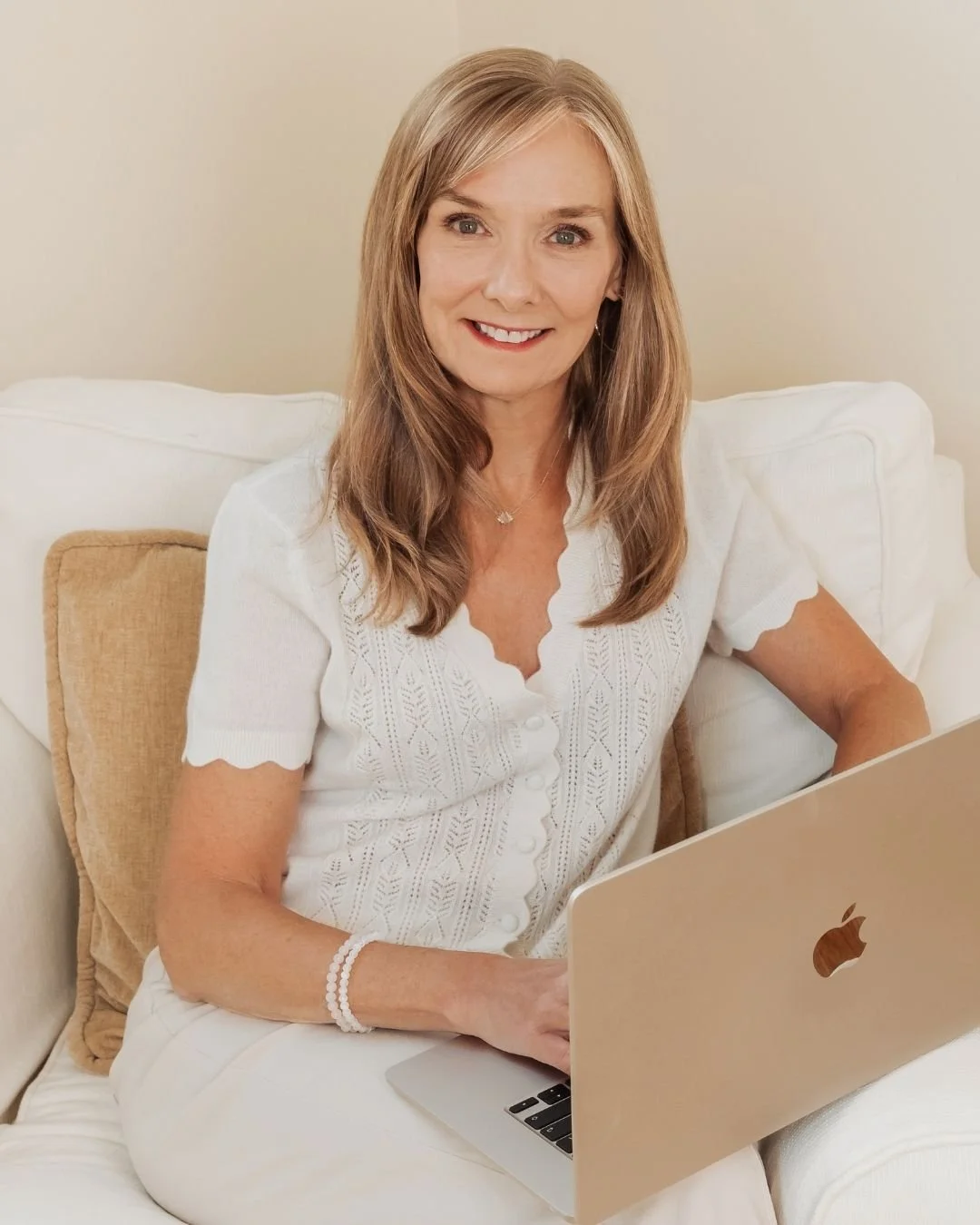
NEW Watch The Worry Habit
Worry is a habit, not a flaw. It’s a loop your brain learned because it once worked — which means it can change. In this free 40-minute class, I share the brain science in plain language, a three-step method for stepping out of the loop, and practices small enough to fit a real week. No more discipline required, and no quieter life. Just the pause where choice lives.
Classes/Workshops
NEW Out of Autopilot FREE 1-hour Workshop
Monday November 16, 7 PM EST on Zoom
The guide gives you the practices. This hour is where they meet real life.
We'll start with the mechanics — how anxiety and its companion habits (the worrying, the over-preparing, the evening scroll) actually get built in the brain, why willpower keeps losing to them, and what the research suggests works instead: awareness, curiosity, and the body's own signals. Enough neuroscience to make sense of your own experience, without the lecture.
Then we'll practice: a short guided meditation to try the skill directly rather than just hear about it.
And we'll spend real time working with live examples — a loop you've been watching, a question the workbook raised, a week where nothing shifted, or a small win worth understanding. Bring what you've got and we'll look at it together: what's driving it, and what might loosen it. This is usually where the insight lands — not from more information, but from seeing your own pattern clearly.
No preparation needed, and no obligation to speak. Some people come to listen, and that works too.
Workbooks/References
NEW Guide for The Worry Habit
This is a companion to The Worry Habit course. The one idea it all rests on: you are not fighting your brain — you are learning to work with it.
Most of us have tried to push worry away, reason it into submission, or out-discipline it. This is a different approach: understand how the pattern actually runs, then work with that machinery instead of against it.
What’s inside
Why this works. The five pieces of brain science from the class — the stress response, how habits form, dopamine, the default mode network, and interoception — each in plain language and with a note on what it means for the practice. For a mind that likes to understand things, with references collected at the back.
The method. Three simple (not always easy) steps for stepping out of the loop: map it, feel what you actually get, and bring in curiosity — including the high-functioning burnout loop, mapped.
Practice pages. Four practices under two minutes each — the three steps on a loop of your own, the scheduled STOP, catching one good moment, and one daily activity with full awareness — with space to write as you go.
Journal prompts. Seven short scenes — over-planning, perfecting, over-analyzing, people-pleasing, worry, the evening reach, and listening to the body — each with questions to stay with if something in you says “oh, that’s me.”
Meditations
NEW Body Scan (9 min.)
In this brief meditation you’ll guide your awareness through the body to just notice sensations exactly as they are, without judgement or needing to fix or change anything. This practice helps familiarize us with our habitual patterns of stress and tension in the body. It can also help train the mind to drop into sensations during times of stress and uncertainty — the moment where choice becomes possible. With regular practice we can become more resilient and reduce reactivity.
NEW Practicing Curiosity with the breath (7 min.)
This brief meditation is an invitation to slow down and get curious about the breath on a busy day. Giving ourselves a brief pause to center, ground, release tension and take refuge in the breath can be a valuable nervous system reset. You may find that some part of it really resonates and can develop your own 60-90 second check in when you need it.
Was the link to this page forwarded to you? Click below to join the mailing list.
If you'd like to be on the list, I send occasional notes like the one that brought you here — a piece of the science, a practice to try, and now and then an invitation to something live. Nothing frequent, and you can leave whenever you like.